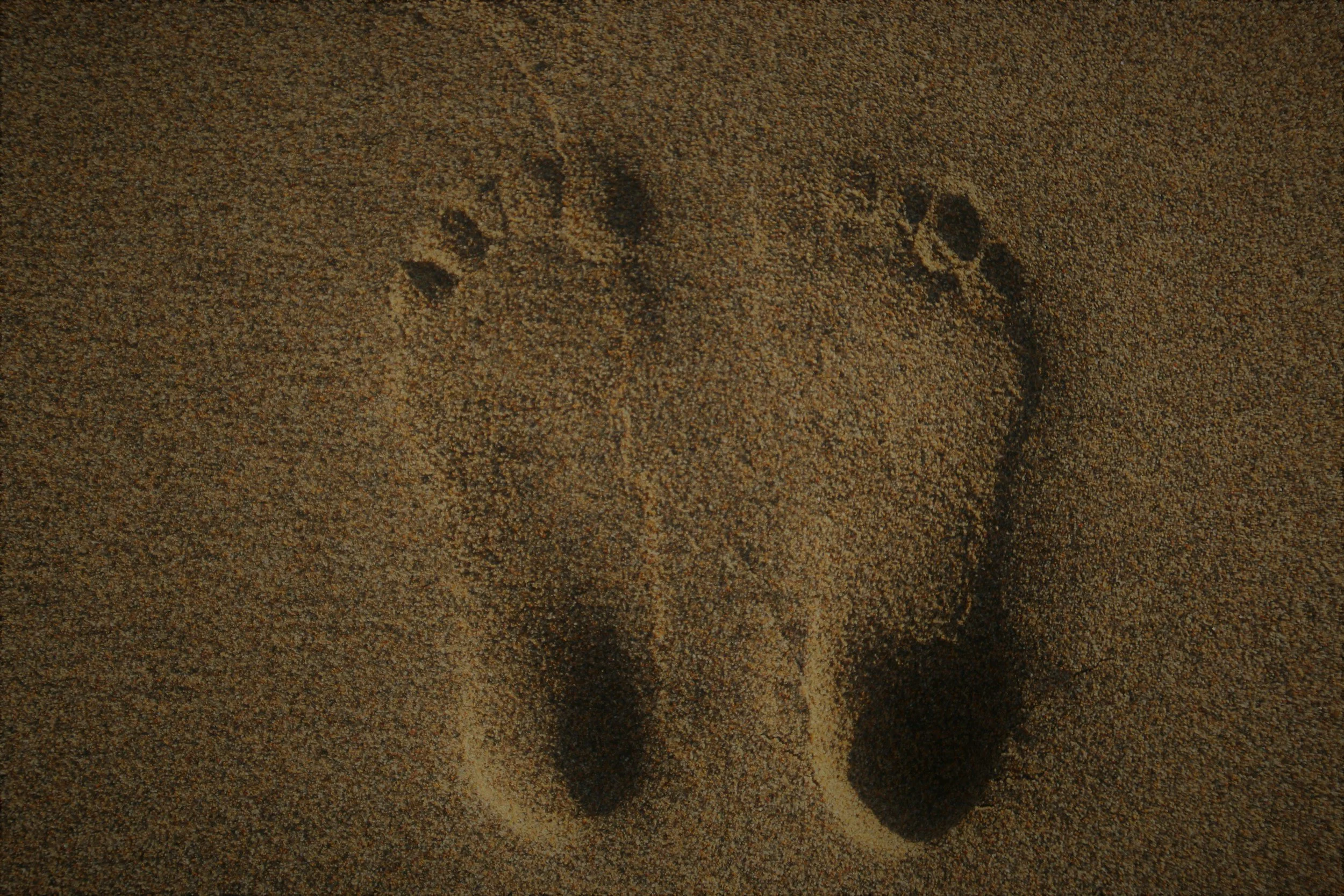
What is Clinical Reflexology?
Clinical reflexology is a non-invasive complementary therapy, which aims to work alongside conventional medicine, with the aim to help your body to restore its natural balance, promote well being, lower stress levels and hopefully alleviate some symptoms you may experience. I can not, nor do I claim to be able to prescribe, diagnose or cure.
Clinical reflexology looks at the person holistically, and that’s why the initial consultation involves taking a thorough medical and general wellbeing history, as well as checking in prior to and following additional treatments.
A Brief History of Reflexology
Reflexology is an ancient practice based on the idea that points on the feet, hands, and ears correspond to different parts of the body. By applying pressure to these points, balance and wellbeing can be encouraged.
Its origins can be traced back to ancient Egypt, China, and India, where pressure-point therapies were used to support healing. In the early 20th century, Dr. William Fitzgerald introduced zone therapy, which was later refined by Eunice Ingham, who created the reflex maps still commonly used today.
Now practiced worldwide, reflexology is valued for its ability to promote relaxation, reduce stress, and support overall health.
What is Duopody?
This is the method of reflexology I use, where we work both (Duo) feet (Pody) simultaneously.
Duopody is a contemporary evolution of classical reflexology, which was developed by Sue Alma Evans at Inspira Academy (now part of CAREA/ Centralia). Whilst working both the feet, we use precise anatomical reflex mapping via the PodyCharts, creating a more efficient, balanced, and evidence-based treatment method.
I have trained at Wye Reflexology Academy, in Level 5 Applied Reflexology for Integrated Medicine. As part of this course, I have been trained in some protocols specific to CAREA centres, including CALM technique (fantastic for palliative care and for energy balancing) and NEPIP ( brilliant for stress management).